What Online Games Teach Us About Income Growth

I’ve always found it interesting how people take online games seriously when it comes to strategy, but rarely apply the same mindset to their income.
In online games, nobody expects to become powerful overnight. You start weak. You grind. You build skills. You optimize gear. You learn mechanics. You level up.
But in real life? Many people expect instant income growth without upgrading anything.
The truth is, online games quietly teach powerful lessons about income growth. And once I started looking at my career like a long-term progression system instead of a fixed job title, everything changed.
Let’s break it down.
1. Leveling Up Requires Experience Points
In most RPGs, you gain experience points by completing quests, defeating enemies, or finishing missions. No shortcuts. No level skip unless you cheat the system.
Income works the same way.
You earn more when:
- Your skills improve
- Your output becomes more valuable
- You solve harder problems
According to global workforce studies, skill-based roles consistently outpace general labor roles in income growth. Specialized knowledge increases earning power faster than time-based employment alone.
When I shifted from thinking “I need a better job” to “I need better skills,” my income trajectory started making more sense. Every project became XP. Every challenge was practice.
The mindset shift matters.
2. Grinding Alone Isn’t Enough
Anyone who has played a game like World of Warcraft or Final Fantasy XIV knows this: grinding random monsters forever is inefficient.
You need strategy.
You choose:
- The right build
- The right gear
- The right dungeon
- The right team
In real life, grinding without direction is just burnout.
Working longer hours in a low-paying job doesn’t automatically increase income. But learning a high-income skill while working? That changes the equation.
Strategy beats blind effort.
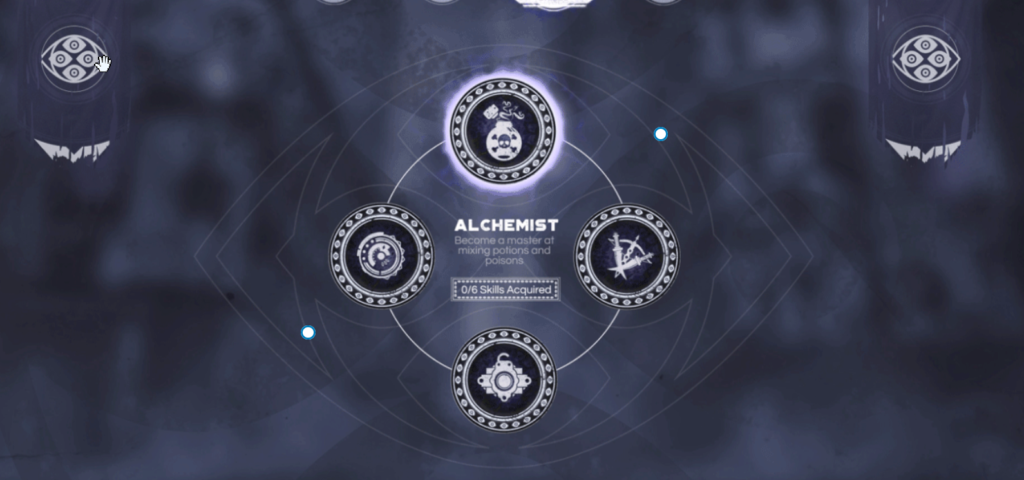
3. Skill Trees Matter
In many online games, you don’t upgrade everything. You specialize.
You choose a skill path. A damage build. A support role. A crafting profession.
The same applies to income growth.
You can’t master everything in six months. But you can focus on one high-value skill:
- Digital marketing
- Web development
- Copywriting
- Video editing
- Sales
Once you specialize, you become more valuable.
Generalists compete on price. Specialists compete on expertise.
And in both games and careers, specialization accelerates progression.
4. The In-Game Economy Mirrors Real Markets
Online games like EVE Online are famous for their complex in-game economies. Players trade resources, manipulate supply chains, and even cause inflation inside virtual worlds.
Sound familiar?
Real markets work on supply and demand.
When a skill is rare and valuable, prices go up. When everyone floods into one skill without depth, rates drop.
This is why timing and positioning matter.
For example, when short-form video content exploded globally, skilled video editors suddenly became high-demand assets. The same thing happened when remote work accelerated worldwide. People with strong digital communication and tech skills gained leverage.
The market rewards those who understand trends.
Just like in games, those who understand the economy advance faster.
5. Party Composition Is Powerful
In multiplayer games, you rarely win raids solo.
You need:
- Tanks
- Damage dealers
- Healers
- Coordinated communication
Income growth works similarly.
Collaboration multiplies results.
Freelancers partner with marketers. Developers work with designers. Sales teams support product creators.
When I started collaborating instead of trying to do everything alone, projects grew faster. Revenue increased. Opportunities expanded.
Team synergy is underrated in both gaming and business.
6. High Risk, High Reward Zones
In many games, the best loot drops in dangerous zones.
You enter knowing:
- The enemies are stronger
- The failure rate is higher
- The rewards are better
Career growth has similar mechanics.
Higher income often requires:
- Learning uncomfortable skills
- Taking calculated risks
- Leaving familiar environments
Commission-based roles, freelancing, starting a service business — these paths feel risky compared to stable hourly jobs.
But they also unlock higher earning ceilings.
Risk must be strategic, not reckless.
Just like entering a high-level dungeon unprepared is foolish, quitting everything without a plan is dangerous. Preparation first. Execution second.
7. Long-Term Play Always Wins
The biggest lesson online games teach is patience.
Nobody becomes endgame-ready in a week.
Income growth is the same.
Skill stacking over 12–24 months compounds. One skill leads to another. Opportunities layer.
For example:
- Digital marketing + copywriting
- Web development + conversion optimization
- Sales + personal branding
Layered skills create leverage.
And leverage increases income potential far beyond a single skill alone.
Why This Perspective Changes Everything
Globally, remote work adoption and digital economy expansion have reshaped how income is generated. Millions now earn outside traditional office structures.
The barrier to entry for skill-based work is lower than ever.
But mindset remains the bottleneck.
When you treat income like a progression system instead of a fixed salary, you start asking different questions:
- What skill increases my value?
- What market needs this skill?
- How do I optimize my build?
That’s when growth becomes intentional.